RESTORATION, PRESERVATION & ARCHIVING
MENU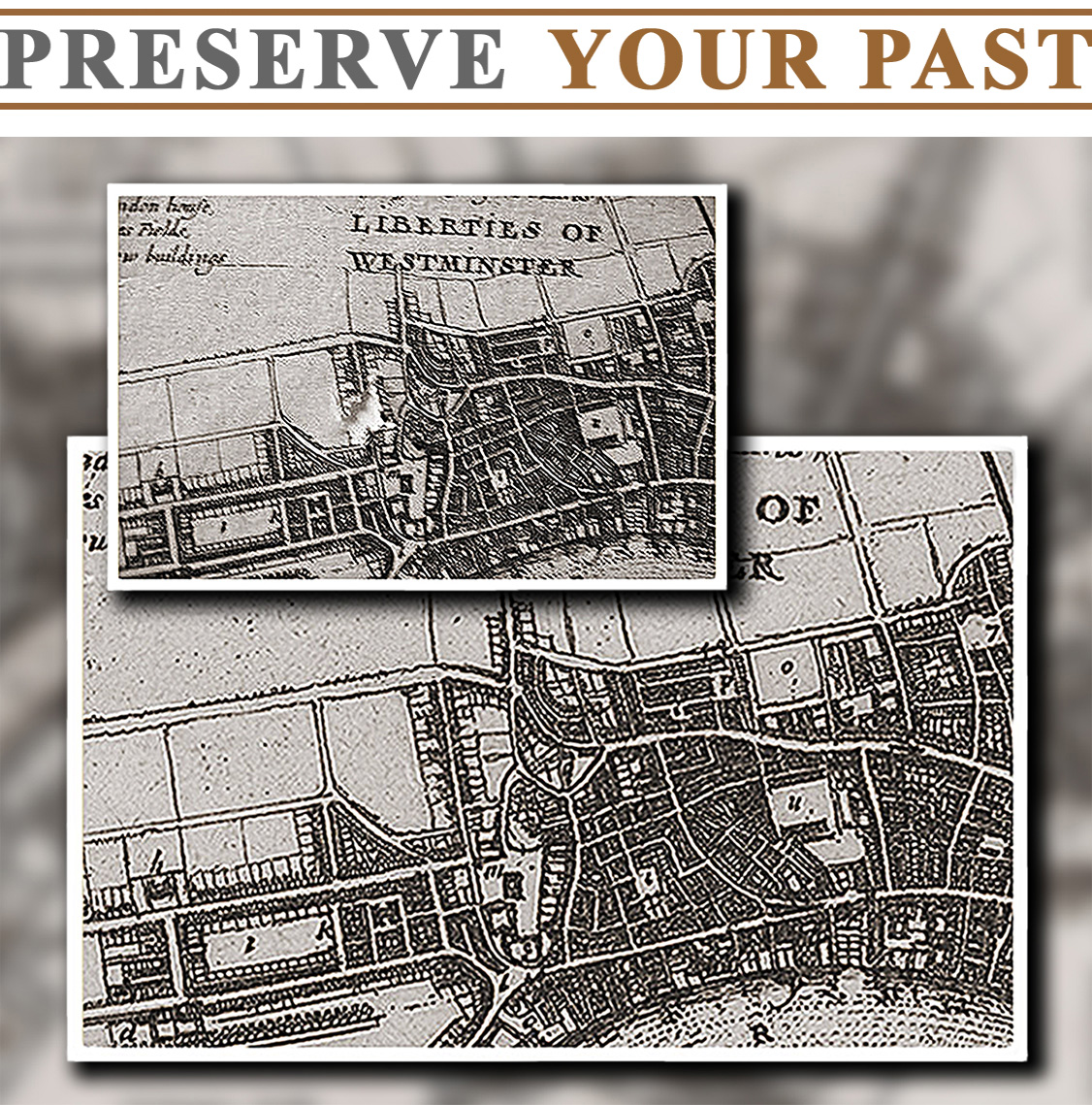
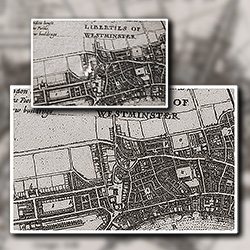
Restoration of a Rare 17th Century Map of London
Historical maps are more than geographical records, they are visual documents that preserve the development of cities, architecture, commerce, and daily life across centuries. This rare and valuable 17th century map of London is a remarkable example of historical cartography, offering a glimpse into London during a period of dramatic transformation following the Restoration era and before the city was reshaped by later events such as the Great Fire of London and centuries of urban expansion.
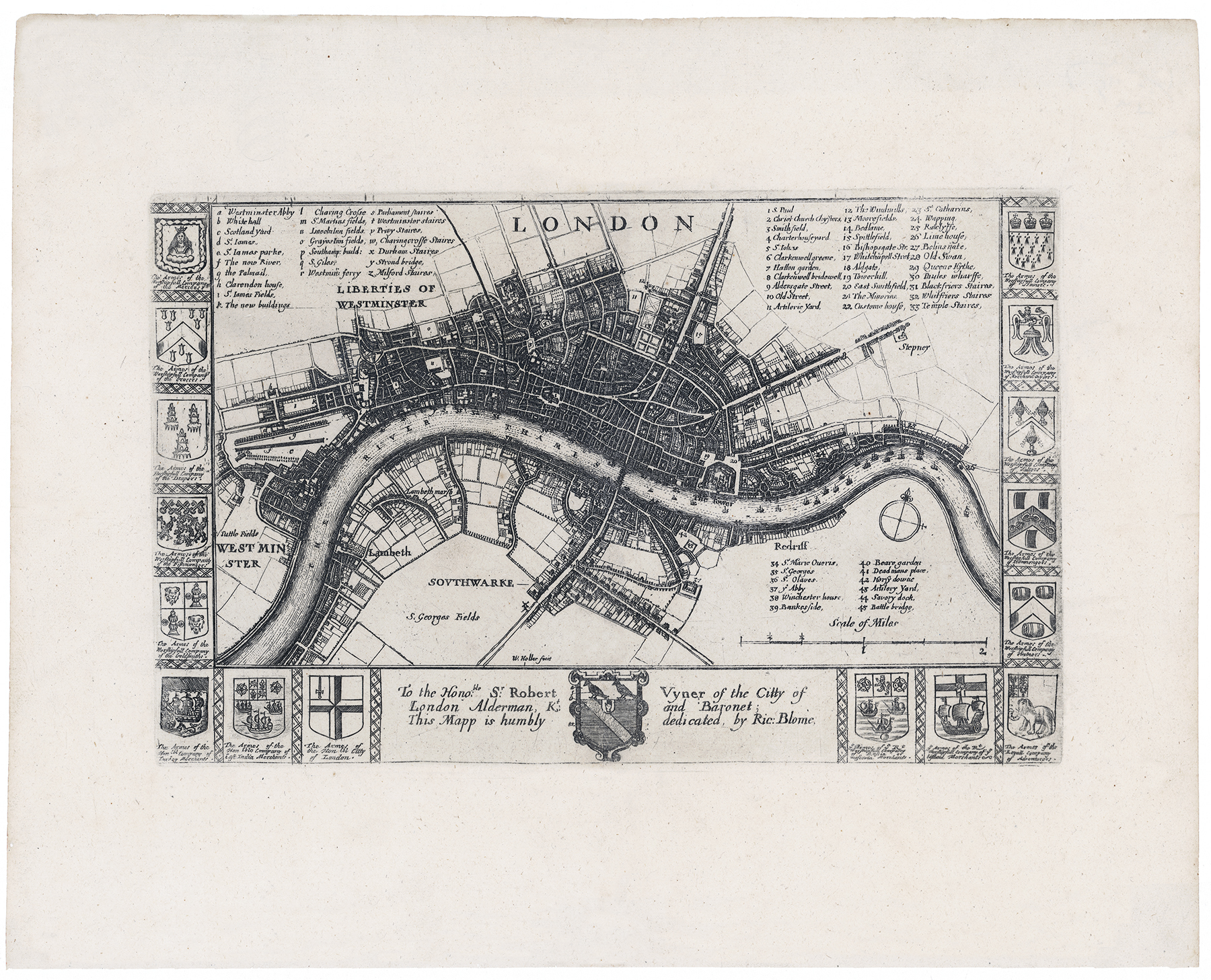 Printed for and dedicated to Sir Robert Vyner, the map reflects the importance of civic leadership, commerce, and urban identity in 17th century London. Sir Robert Vyner, a prominent goldsmith, banker, and politician, served as Lord Mayor of London in 1674 and was a significant figure during the reign of King Charles II.
Over time, this exceptional historical artifact suffered significant damage when the frame broke during shipping, causing the protective glass to shatter. The impact resulted in multiple cuts, tears, and abrasions to the fragile paper surface, placing the map at risk of further deterioration and loss.
The restoration process began with the careful removal of the damaged map from its frame. The artwork was gently separated from the deteriorated mounting board, allowing for a complete assessment of the paper condition and previous mounting methods.
Fragments of broken glass and debris were carefully removed from the surface. The map was then cleaned to eliminate accumulated dirt and contaminants that could contribute to future deterioration. As part of the preservation process, the paper was washed and deacidified to neutralize harmful acids within the fibers and help prevent further aging, discoloration, and embrittlement.
The damaged areas were meticulously repaired using archival conservation methods. Tears were carefully aligned and mended, while missing sections were reconstructed with specially prepared paper pulp carefully matched to the original paper tone and texture. This process restored the structural integrity of the map while maintaining respect for the authenticity and historical character of the original print.
Once the paper repairs were completed, the restored areas were carefully integrated visually using traditional artistic techniques. Watercolors and Chinese ink were applied with precision to recreate missing details and blend repaired sections seamlessly with the original engraving.
The completed restoration preserved both the physical stability and visual beauty of this important historical map, allowing it to once again be appreciated as a significant record of London’s past.
Rare maps, manuscripts, and historical prints serve as irreplaceable connections to earlier generations. Proper restoration requires a combination of conservation knowledge, historical research, and artistic sensitivity to ensure that damaged artifacts can be preserved without compromising their authenticity. At Preserve Your Past, historic maps and documents are restored using careful archival techniques designed to stabilize fragile materials, recover lost details, and preserve the stories contained within each unique artifact.
|
|
|
|

|
|
|
|
|
|
|
|
|
|
|
|
|
|
|
|
|
|
|
|
|
|
|
|
|
|
|
|
|
|
|
|
|
|
|
|
|
|
|
|
|
|
|||||||||
| © 2026 Preserve Your Past | |||||||||
| By accessing this website you signify that you read, understood, and agreed to be bound by Terms of Services. If you do not agree to these terms, you are not permitted to use the Services. These Terms of Services have the same force and effect as an agreement in writing. |
|||||||||


