RESTORATION, PRESERVATION & ARCHIVING
MENU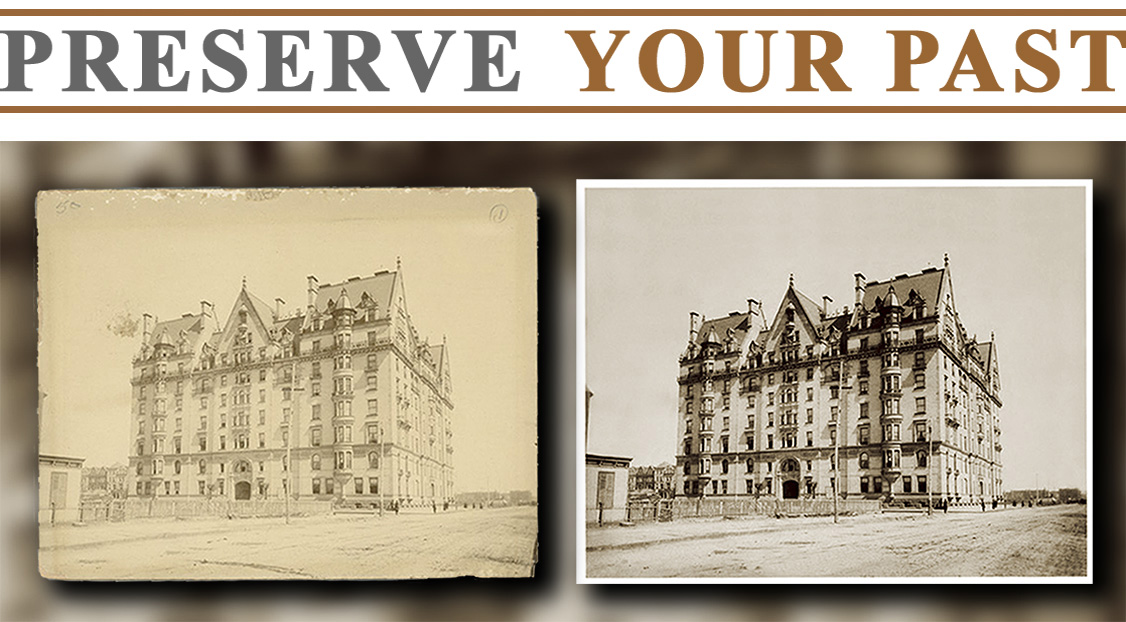
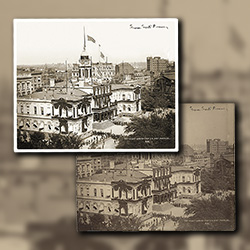
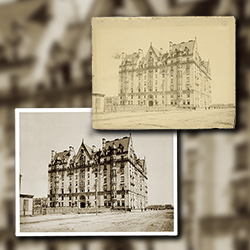
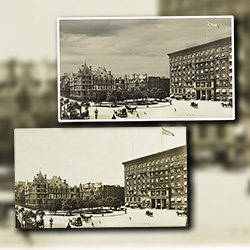
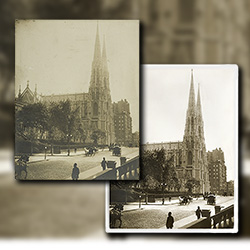
RESTORATION OF A HISTORIC PHOTOGRAPH OF THE DAKOTA BUILDING, NEW YORK CITY
During the late 19th century, apartment living in New York City was still largely associated with working-class residents of the Lower East Side and other densely populated neighborhoods of Manhattan. Wealthy New Yorkers overwhelmingly preferred private townhouses and mansions, particularly along Fifth Avenue facing Central Park. Consequently, when construction of an ambitious luxury apartment building on the Upper West Side was announced in 1880, many regarded the project as an unlikely success.
Skepticism grew because the proposed building stood in what was then considered a remote and largely undeveloped part of Manhattan. The surrounding area consisted of open fields, scattered houses, vegetable gardens, and vacant lots, lacking the prestige and conveniences enjoyed by the city's established residential districts. Many believed that affluent families would never abandon their elegant private homes for apartment living, no matter how luxurious the accommodations.
According to popular tradition, a skeptical observer remarked that anyone willing to live so far from the city's fashionable center might as well move to "Dakota", a reference to the then-remote Dakota Territory. Whether the story is entirely factual or partly apocryphal, the nickname endured, and the building became known simply as The Dakota. Designed by architect Henry Janeway Hardenbergh and completed in 1884, the building would eventually become one of New York City's most celebrated architectural landmarks. Today, it is recognized worldwide for its striking German Renaissance Revival design, distinguished residents, and enduring place in the city's cultural and architectural history.
The digital archiving and restoration of this iconic photograph was commissioned by one of New York City's distinguished private social clubs dedicated to preserving the city's history, architecture, and cultural heritage.
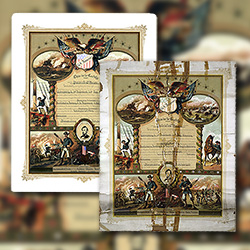
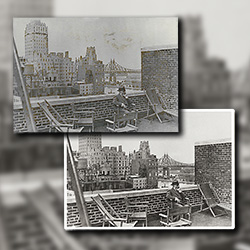
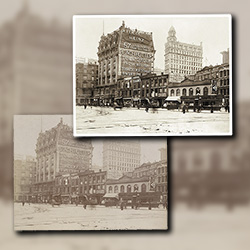
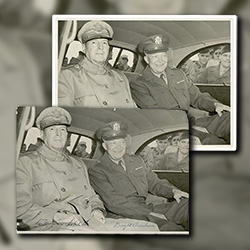
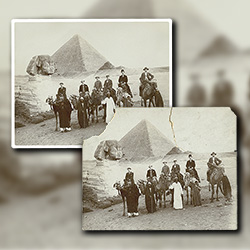
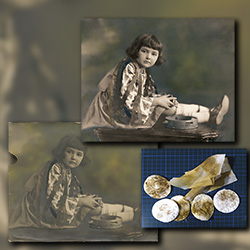
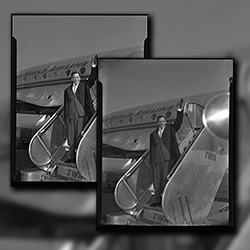
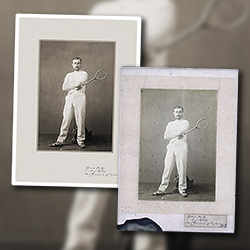
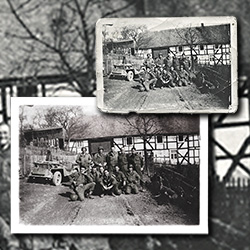
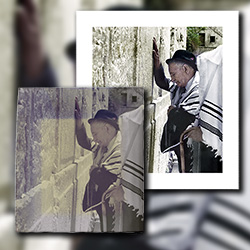
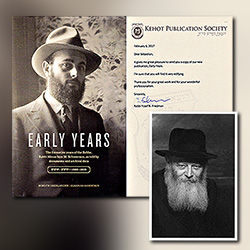
The original photograph was carefully examined and gently cleaned to remove accumulated dust and surface grime before being digitized using a high-resolution archival scanning process designed to capture every available detail. At the client's request, two master digital files were created. The first is an unaltered archival reproduction faithfully documenting the photograph's current condition. The second is a fully restored version in which fading, discoloration, stains, and other age-related deterioration were meticulously corrected to recreate the photograph's original tonal range, clarity, and visual appearance while preserving its historical authenticity.
|
|
|
|

|
|
|
|
|
|
|
|
|
|
|
|
|
|
|
|
|
|
|
|
|
|
|
|
|
|
|
|
|
|
|
|
|
|
|
|
|
|
|
|
|
|
|||||||||
| © 2026 Preserve Your Past | |||||||||
| By accessing this website you signify that you read, understood, and agreed to be bound by Terms of Services. If you do not agree to these terms, you are not permitted to use the Services. These Terms of Services have the same force and effect as an agreement in writing. |
|||||||||


