RESTORATION, PRESERVATION & ARCHIVING
MENU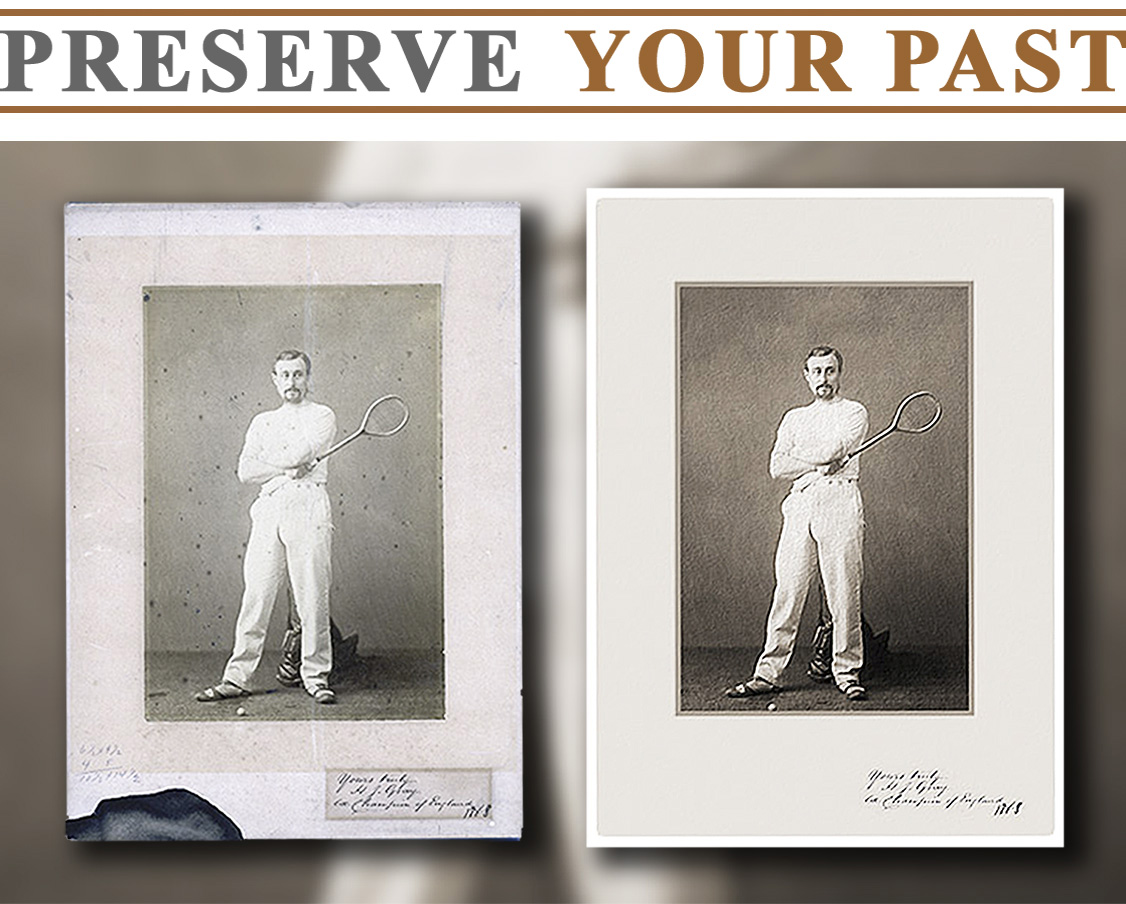
DIGITAL ARCHIVING AND RESTORATION OF HISTORIC PHOTOGRAPHS FROM THE NEW YORK RACQUET AND TENNIS CLUB COLLECTION
During the 19th century, gentlemen's clubs experienced a remarkable rise in popularity, gradually replacing coffee houses as preferred meeting places where men could exchange news, discuss politics, and debate intellectual ideas away from the lively atmosphere of taverns and alehouses. By the latter half of the century, many prestigious clubs occupied entire purpose-built buildings featuring formal dining rooms, libraries, reading rooms, and elegant parlors designed for conversation, gaming, and social gatherings. Increasingly, clubs also incorporated athletic facilities, including gymnasiums and courts for racquet sports, reflecting the Victorian-era fascination with physical fitness and organized recreation.
Not to be outdone by their counterparts in Europe, New Yorkers established their own network of exclusive gentlemen’s clubs, many of which reflected the city’s growing influence in finance, politics, culture, and athletics. Among these organizations were clubs dedicated not only to social activities but also to promoting sporting traditions and competitive excellence.
 One of the earliest athletic organizations of its kind was the Racquet and Tennis Club, which traces its origins to the Racquet Court Club, founded in New York in 1876. The original club provided members with two racquets courts, an indoor running track, and two bowling alleys. In 1890, following a merger with the Racquet and Tennis Club, members gained access to courts for the traditional English game of real tennis, one of the oldest racquet sports in the world.
The club’s current landmark clubhouse was designed in 1916 by the architectural firm of William Lawrence Bottomley and constructed at 370 Park Avenue, between East 52nd and East 53rd Streets in Midtown Manhattan. Designed in the Renaissance Revival style, the building was created to combine the elegance of a private social club with world-class athletic facilities. Its interior included formal dining rooms, a billiards room, a library, lounges, a gymnasium, squash courts, a racquets court, and two real tennis courts illuminated by natural light.
Today, surrounded by modern glass skyscrapers and high-rise office towers, the clubhouse remains an extraordinary reminder of an earlier era of Manhattan architecture. In 1979, the building was designated a New York City Landmark, and on July 21, 1983, it was added to the National Register of Historic Places.
The Racquet and Tennis Club continues to play an important role in New York City’s social and athletic traditions. Its members participate in competitive squash events, including the Squash Doubles League, and the club continues to host prestigious tournaments that bring together some of the world’s top racquet-sport athletes.
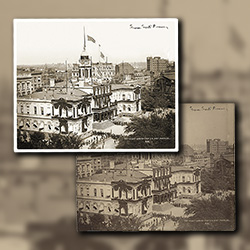
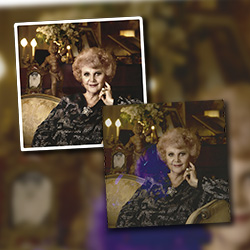
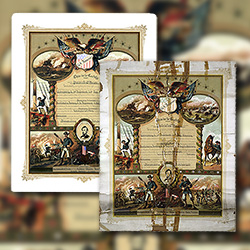
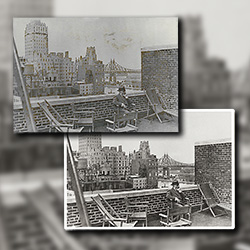
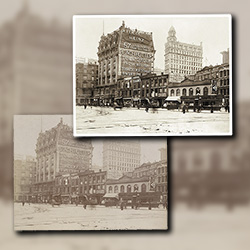
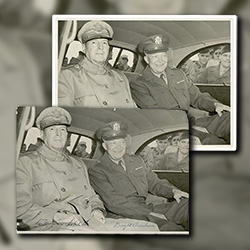
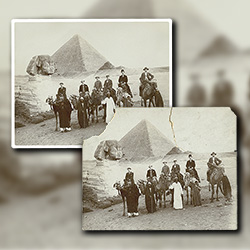
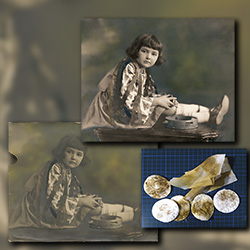
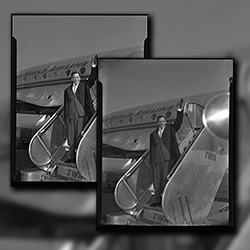
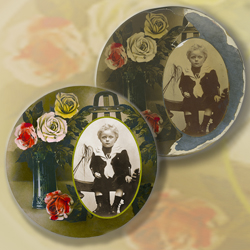
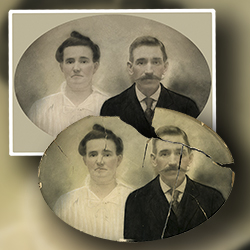
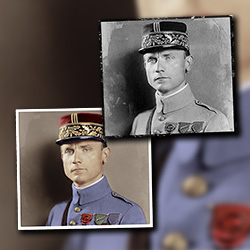
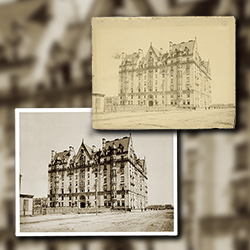
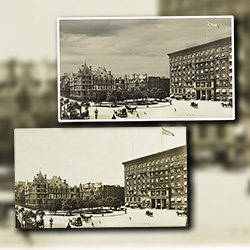
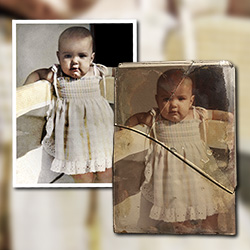
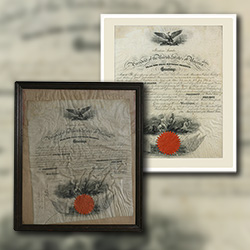
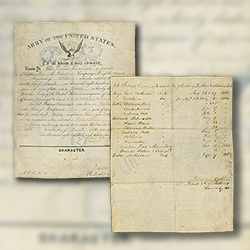
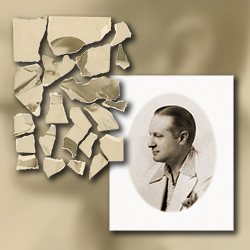
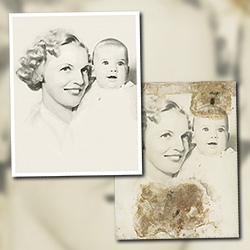
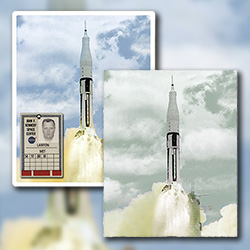
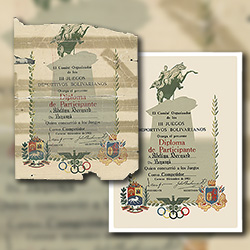
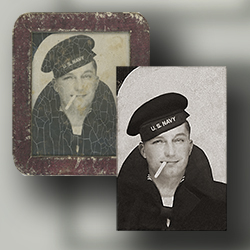
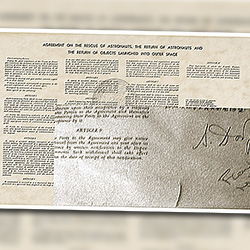
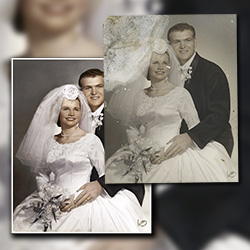
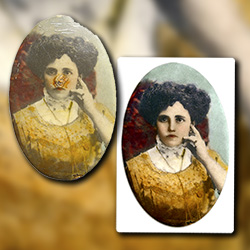
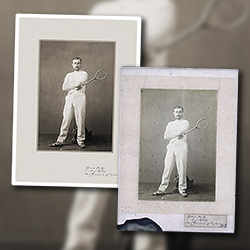
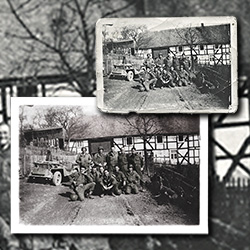
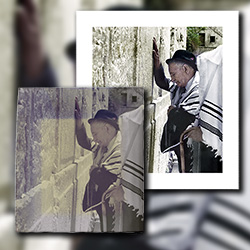
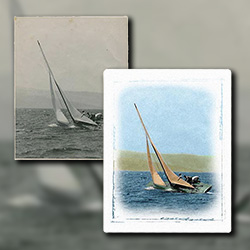
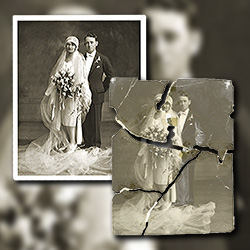
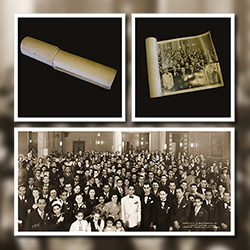
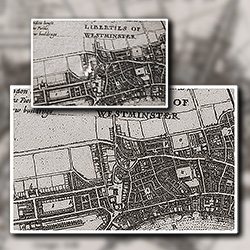
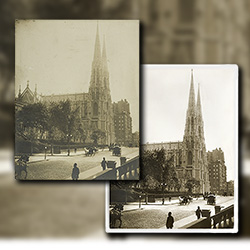
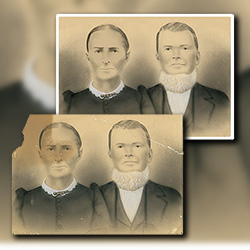
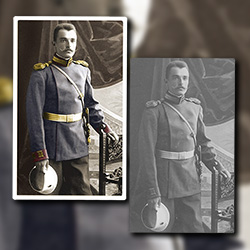
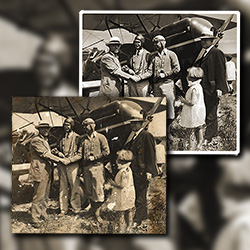
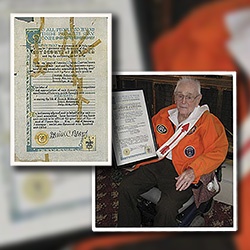
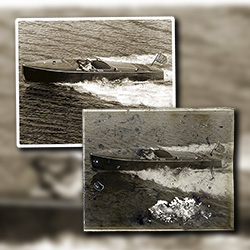
 Over more than a century, the club has accumulated an extensive archive of photographs, documents, and memorabilia documenting its history and honoring generations of notable members and athletes. Like many historic collections, however, these fragile materials have been affected by the passage of time. Fading caused by light exposure, surface dirt, tears, stains, and deterioration of photographic emulsions can significantly diminish the quality and longevity of original materials.
Digital archiving and photographic restoration provide a way to preserve these irreplaceable historical records while reducing the need for repeated handling of fragile originals. Through high-resolution digitization and careful restoration, damaged photographs and documents can be stabilized, preserved, and made accessible for future generations without compromising the integrity of the original artifacts.
To ensure the highest quality digital preservation, Sebastian Wintermute follows strict archival standards throughout the restoration process. Before scanning, each photograph or document is carefully examined and gently cleaned to remove surface dust and residue. High-resolution scans are created at a minimum of 600 dpi, with even greater optical resolution used when enlargements, fine-art reproduction, publication, or detailed historical analysis require the capture of the smallest visual elements.
A successful restoration requires more than automated software solutions. Many digital restoration programs rely on dust-and-scratch filters that can unintentionally remove important photographic details, including fine textures, lettering, facial features, and other historical information. Instead, Sebastian Wintermute performs meticulous manual retouching, carefully repairing damage while preserving the original character, sharpness, and authenticity of each image.
Photographs prepared for archival purposes receive additional examination throughout the restoration process to ensure that no historical details are accidentally altered, removed, or misinterpreted. The goal is not to create a new image, but to faithfully recover the appearance and information contained within the original photograph.
After restoration and approval by the client, archival master files are saved at maximum resolution using lossless digital formats designed for long-term preservation. Secure archival storage solutions, including professional-grade preservation media, are used to deliver and protect the restored images, ensuring that these valuable visual records of history remain available for generations to come.
|
|
|
|
|
|
|
|
|
|
|
|
|
|
|
|
|
|
|
|
|
|
|
|
|
|
|
|
|
|
|
|
|
|
|
|
|
|
|
|
|
|
|
|
|
|
|||||||||
| © 2026 Preserve Your Past | |||||||||
| By accessing this website you signify that you read, understood, and agreed to be bound by Terms of Services. If you do not agree to these terms, you are not permitted to use the Services. These Terms of Services have the same force and effect as an agreement in writing. |
|||||||||


