RESTORATION, PRESERVATION & ARCHIVING
MENU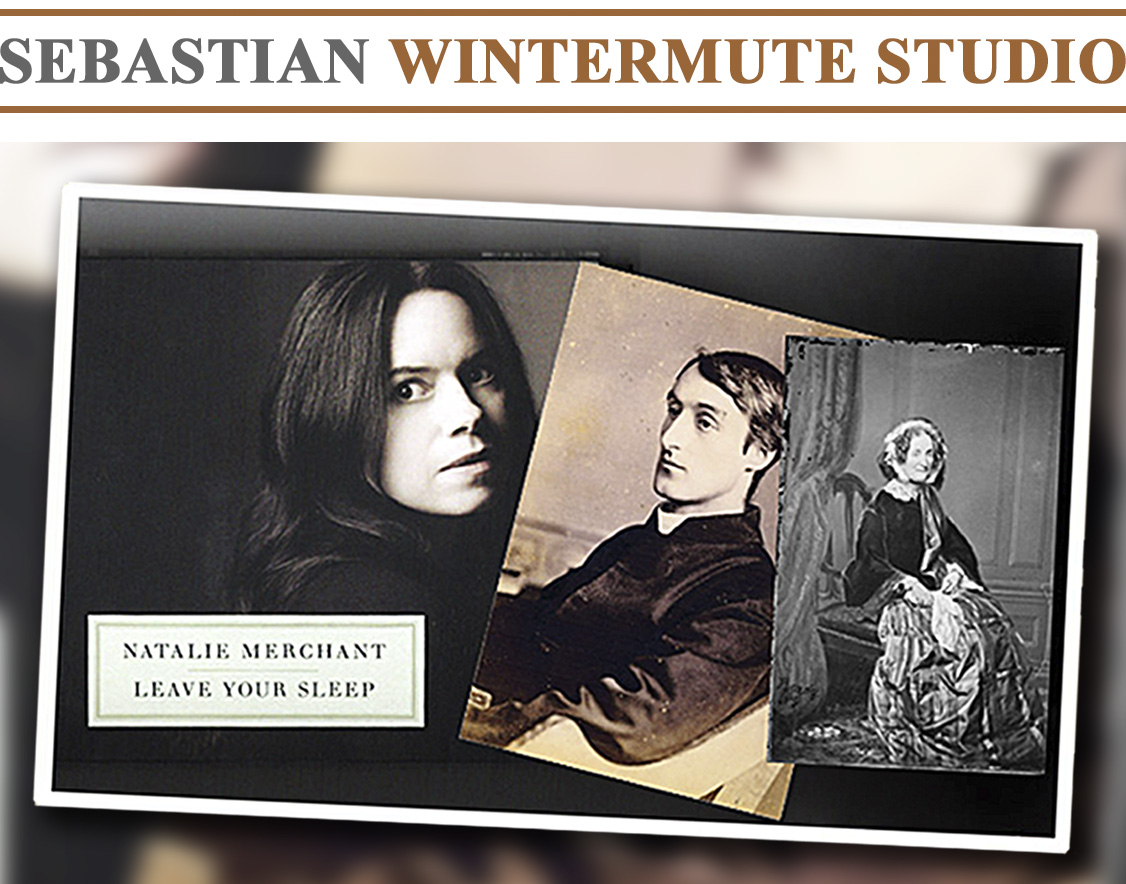
Restoring Historic Photographs for Natalie Merchant’sLeave Your Sleep Album
Sebastian is a wizard.
He can turn back the hands of time when he restores photographs.
- Natalie Merchant
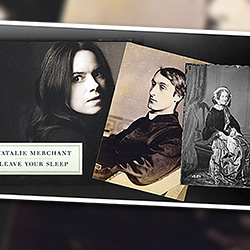
In 2009, Sebastian Wintermute was commissioned to restore a remarkable collection of historic photographs of poets whose work was selected by Natalie Merchant for her double album Leave Your Sleep. Released in 2010, the album was an ambitious artistic project inspired by poetry written for and about children, bringing together works by poets from different generations, countries, and literary traditions.
Among the writers represented in the project were celebrated British poets and authors of the Victorian era, including Edward Lear, Christina Rossetti, Robert Louis Stevenson, and Gerard Manley Hopkins, as well as prominent 20th-century American writers E. E. Cummings and Ogden Nash. The photographs accompanying these literary figures were an important part of the project's visual identity, helping connect the poetry of the past with Merchant's contemporary musical interpretation.
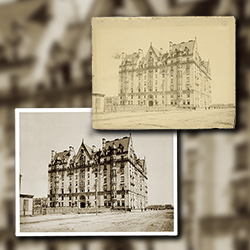
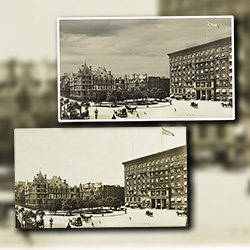
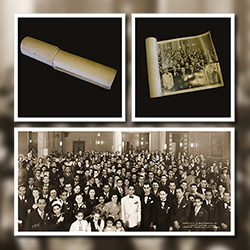
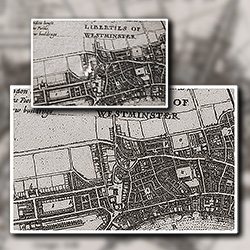
The original photographs came from a wide range of sources, including libraries, museums, institutional collections, and private archives in both the United States and the United Kingdom. Because the photographs had been created at different times and under widely varying circumstances, they naturally differed in photographic quality, condition, tonal range, contrast, and overall appearance.
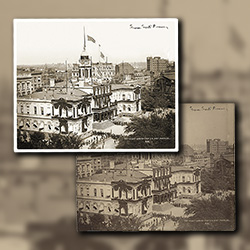
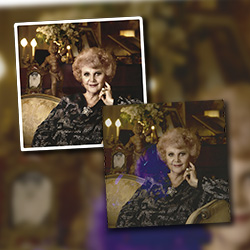
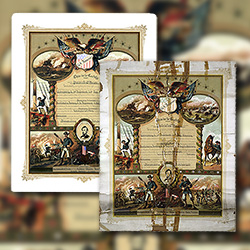
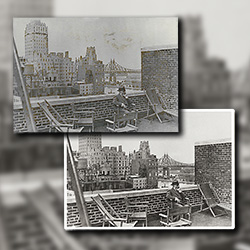
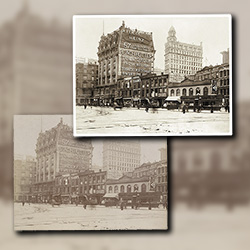
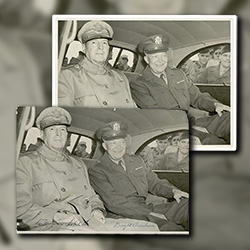
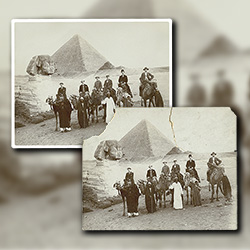
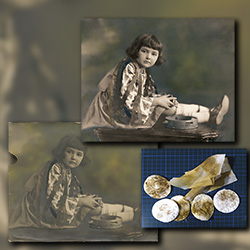
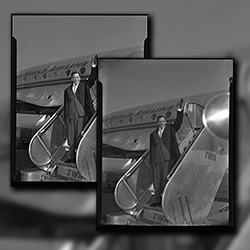
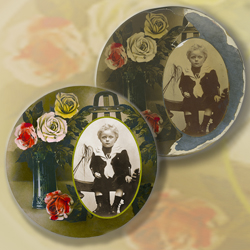
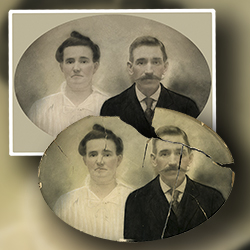
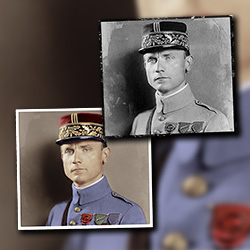
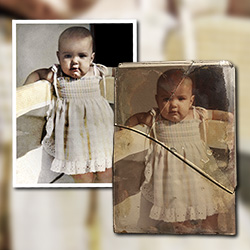
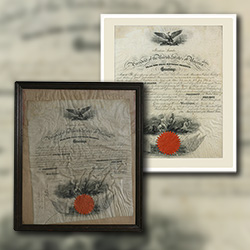
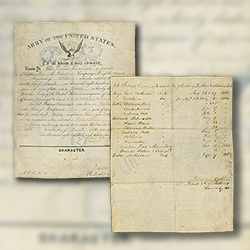
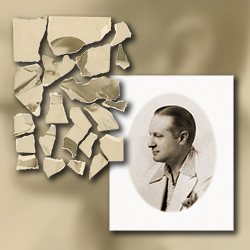
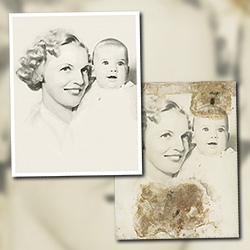
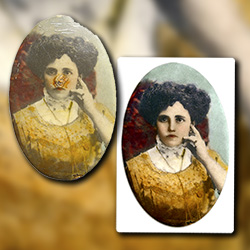
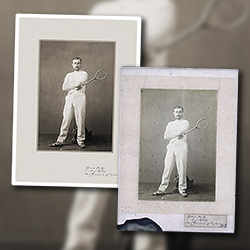
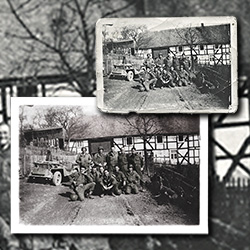
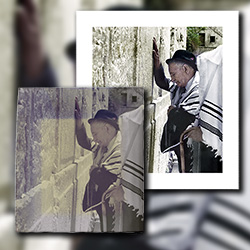
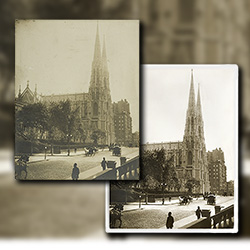
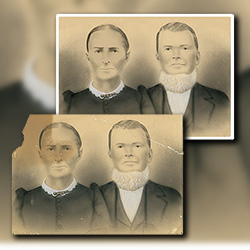
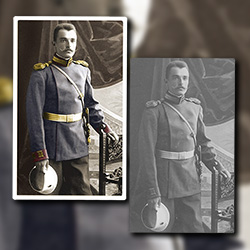
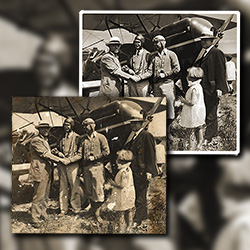
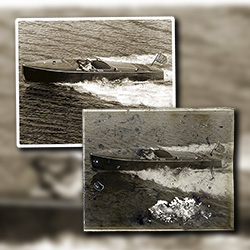
Many had sustained the kinds of deterioration commonly seen in historic photographs: scratches, dust, stains, fading, uneven tones, surface marks, and other signs of age and handling. The challenge was not simply to repair individual defects. Each photograph had to be carefully restored so that the collection would ultimately appear cohesive while still preserving the distinctive character and historical authenticity of the original images.
Preserving History While Creating a Consistent Visual Language
The restoration process required a delicate balance between conservation and visual refinement. The objective was to remove or minimize distracting damage while retaining the qualities that made each photograph unmistakably a product of its time.
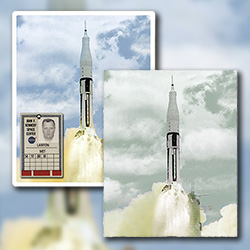
Through careful photo editing and retouching, the images were made cleaner and clearer, with improved tonal definition and greater visible detail. At the same time, the restoration avoided making the photographs appear artificially modern or digitally manipulated. Their vintage character, historical atmosphere, and connection to the period in which they were created remained an essential part of the final result.
This approach is at the heart of successful historical photo restoration. A restored photograph should not lose its history in the process of being repaired. Scratches, stains, fading, and physical damage can often be corrected, but the texture, tonal qualities, and visual character of an original photograph are equally important. The goal is to reveal the image that has been obscured by time, not to replace it with something that never existed.
The restored photographs were then incorporated into the design of a handsome 80-page hardcover book created by award-winning British book designer David Pearson. The book also included biographical essays about the poets written by Natalie Merchant, creating a visual and literary companion to the album.
The project therefore required more than conventional vintage photograph restoration. The photographs needed to function as part of a unified publication, complementing the typography, design, and narrative structure of the book. Each image had to retain its individual identity while contributing to a consistent visual experience across the entire collection.
Preparing Historic Photographs for Concert Projection
An additional technical challenge emerged from the fact that the restored photographs were not intended solely for reproduction in the book. They also had to be prepared for use in a video presentation accompanying Natalie Merchant's live concert performances.
This meant that many of the original photographs, some of which were relatively small or limited in resolution, had to be enlarged substantially while maintaining as much detail and image quality as possible. The photographs needed to withstand display on large projection screens, where imperfections that might remain unnoticed in a small printed reproduction could become immediately visible.
The restoration therefore involved sophisticated high-resolution image restoration and photo enlargement techniques designed to increase the usable size of small historical photographs without compromising their authenticity. Rather than simply enlarging the images, the process required careful enhancement of edges, tonal transitions, and fine details while minimizing the introduction of artifacts or an overly processed appearance.
The resulting images were suitable for use in a dynamic video presentation in which the photographs were not merely displayed as static pictures. During the performances, they could be subjected to a variety of cinematic transitions and movements, including zooms, rotations, cross-fades, mixes, and dissolves.
These effects placed additional demands on the quality of the restored photographs. When a camera moves slowly into a historical portrait or an image is enlarged dramatically across a projection screen, every flaw becomes more apparent. A photograph that appears perfectly acceptable at its original size may reveal scratches, dust, damage, or digital artifacts when magnified.
By combining meticulous photo restoration and retouching with specialized techniques for enlarging small photographic images, Sebastian Wintermute was able to prepare the photographs for both print and large-scale projection. The final images maintained the atmosphere and authenticity of the original historical photographs while offering the clarity, tonal richness, and resolution required for contemporary multimedia presentation.
Restoring the Past for a Contemporary Audience
 The project for Leave Your Sleep demonstrates how historical photographs can be given a new life without losing their connection to the past. The poets represented in the project lived and worked across different periods, and many of their photographs were created long before the digital age. Through careful restoration, these fragile visual records could be presented to a modern audience in a form that was both respectful of their origins and suitable for contemporary publishing and performance.
For a photo restoration specialist, projects such as this require an understanding of both historical photography and modern digital imaging. Archival photo restoration is not simply a matter of removing scratches or repairing missing areas. It involves understanding the nature of the original photograph, recognizing which characteristics should be preserved, and making informed decisions about how far a restoration should go.
In the case of Leave Your Sleep, the photographs had to serve several purposes simultaneously. They needed to reproduce beautifully in a carefully designed hardcover book, work harmoniously as a collection, and retain enough quality to be enlarged and projected on a concert screen. Each of these applications presented its own technical requirements.
The result was a collection of restored historical portraits that helped bridge the distance between generations of poets and a contemporary audience. Through Natalie Merchant's music and writing, the words of these poets found new life; through the restoration and retouching of their photographs, their faces and identities were given a renewed visual presence as well.
The project remains an example of how historic photograph restoration, professional photo retouching, and high-resolution image enhancement can work together to preserve the visual record of the past while allowing it to become part of a new artistic and cultural experience.
|
|
|
|
|
|
|
|
|
|
|
|
|
|
|
|
|
|
|
|
|
|
|
|
|
|
|
|
|
|
|
|
|
|
|
|
|
|
|
|
|
|
|
|
|
|
|||||||||
| © 2026 Preserve Your Past | |||||||||
| By accessing this website you signify that you read, understood, and agreed to be bound by Terms of Services. If you do not agree to these terms, you are not permitted to use the Services. These Terms of Services have the same force and effect as an agreement in writing. |
|||||||||


